Spring Valley coach Matt Oberly talks about his journey in coaching and the sport that started in Ohio a few days before the SCTCCCA Bob Jenkins Coaches Classic. Oberly also serves as SCTCCCA association president.
What first inspired you to get into coaching cross country?
I had some really good coaches in my running career. My college coaches, John Homon and Doug Brown, were great coaching role models. Coming out of high school I knew that I wanted to teach and coach. I loved the sports of cross country and track and knew I wanted to continue to be involved beyond my college career. During my four years of college I tried to learn as much as I could about coaching from Coach Brown so that I could implement it into my coaching some day.

Matt Oberly (316)
What year did you start coaching?
I started teaching in the fall of 2006 at Newberry High School. The spring of 2007 was my first year of coaching track and the fall of 2008 was my first year coaching cross country.
What was your running background before coaching?
I ran high school cross country and track at Minerva High School in Ohio. After high school I ran four years of track and cross country for the University of Mount Union in Ohio.
Related: South Carolina cross country courses ratings
What is it like to switch schools while coaching?
Changing schools is hard. I have been fortunate at Newberry, Lexington and now Spring Valley to work with great teachers and have great student athletes at each school. One of the hardest things about changing schools is telling the team you are leaving. I have had some great relationships with the runners in my programs and leaving before some of them graduate is hard.
How would you describe your coaching philosophy?
My coaching philosophy is centered on inspiring each athlete to give their absolute best in everything they do. I encourage hard work and dedication to the sport, believing that through consistent effort, athletes can realize that anything is possible. My program fosters a team culture where teammates motivate and challenge one another, creating an environment where everyone grows and improves together.
Over the years, how has your approach to training and developing athletes changed?
When I first started coaching, I would have the teams doing some type of interval or repetition training every other day with the recovery on the off days. I also didn't spend a lot of time looking at weekly mile totals when I first started. I was too focused on just getting workouts complete. Now I am more intentional about what the weekly mile totals are for each of the groups in my program and using more variety of workouts throughout the season.

What have been some of the biggest challenges in building and sustaining a program?
One of the biggest challenges that I have faced at Spring Valley has been the recruitment of young athletes to come out for cross country. Reaching middle school athletes has some restrictions in our district.
How do you keep athletes motivated during the seasons?
I do a lot of different things to help motivate athletes. We give rewards when different practice mileage benchmarks are achieved. We take overnight trips where athletes can earn spots to travel. I also keep top 10 or top 25 lists of certain workouts that we do. This motivates them on workouts to try hard to make the list.
How do you balance the SCTCCCA President role, coach and family life?
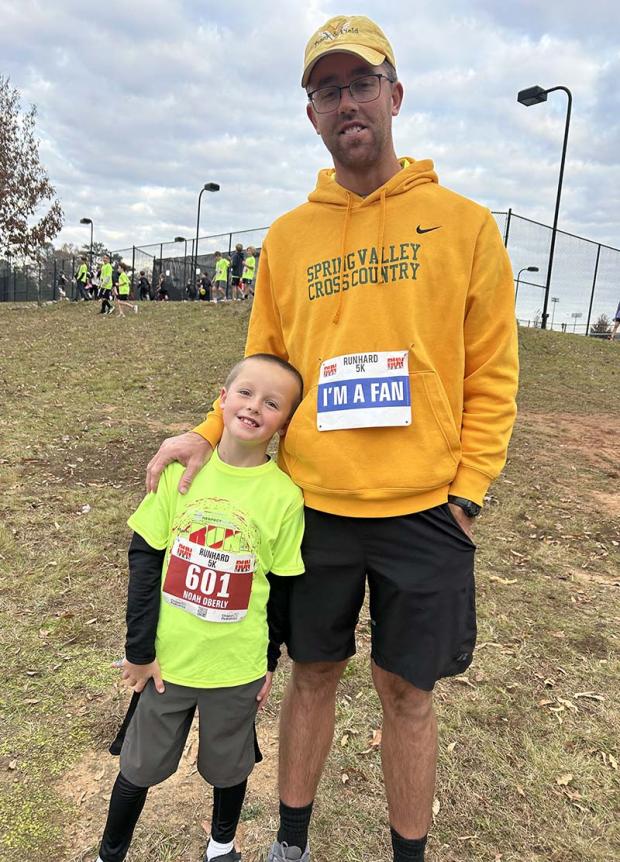
It is hard. It seems like there is always something to do for one of the roles. I have learned to delegate some things better and rely on other people. For the association things, the committees that Chris (White) created a few years ago has been very helpful for getting others involved and getting things done. I really try to not do as much work in the evenings when I am at home as I used to do. This allows for playing sports with my son Noah or just sitting down and watching sports with him.
What sports / activities do your kids play?
My son Noah plays soccer, flag football, and the Run Hard after school program at his elementary school.
What role do team culture and leadership play in the success of your runners?
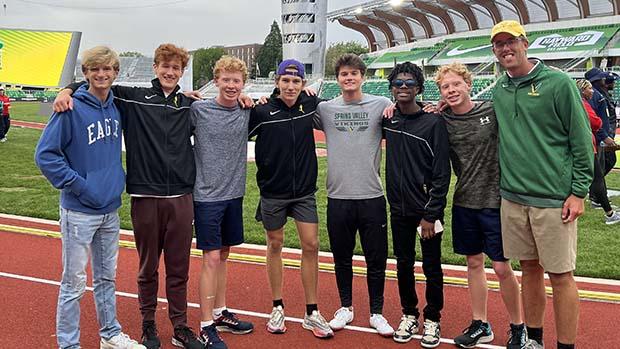
The culture that has been created in the Spring Valley team is great. I have an excellent group of seniors that have been involved with the program for six years. They know what it takes to be successful and they do a great job on encouraging and including the underclassman and new members of the team. The inclusive and positive culture of our program keeps our retention numbers really high. Rarely has someone been on the cross country team and not returned the following season.
Race Assignments Released for SCTCCCA Coaches Classic
Watch more: Matt Oberly talks about the sport, life and more
Photos: Spring Valley cross country Matt Oberly through the years
What's been the most rewarding part of watching your athletes grow on and off the course?
I think the best part is watching the athletes improve. I have had a couple of athletes that started out running slow times and they work extremely hard and compete for varsity positions by their senior year. This also translates outside of the sport. Usually the more they continue to improve the more confident they become in schoolwork and other areas.
What's a day like for you as a coach - meet days and practice days?
Usually I arrive at school around 7:45 each morning, teach three blocks of geometry, and then practice from 4:30-6:30.
What's a day like for you as a coach when you don't have a meet on a Saturday?
If it is a Saturday off from racing, I usually spend some of the day catching up on the yard work and things around the house that my wife needs done. My family likes going to Gamecock football games so if they are in town on an off weekend we try to get to Williams Brice.

What's your coaching like on race day?
It starts really early on Saturday with going to pick up the bus. When we arrive at the meet we usually look at a few things on the course and talk about any last minute things before we race. My assistant coach, Max Thomas, always gets the pins and numbers passed out to everyone. Then it's making sure everyone gets the warm up started on time and gets to the starting line at the right time.
What is your post meet routine once you get home?
After a Saturday meet is over, the rest of the afternoon and evening is usually spent watching college football with the family.
What advice would you give to younger coaches just starting out in the sport?
Find coaches around the state to look up to, learn from, and emulate what they do with their programs. When I first started coaching I was always watching what John Jones at Spring Valley, Ed Boehmke at Eastside, Jim Kilbreth, Mike Moore and others were doing in their programs. I wanted my programs to have the success they were having.

What do you hope your athletes take with them long after they've left your program?
I want them to take a positive experience away from their time on the team. I hope they have developed a love for the sport and for running. I also want them to realize that all of the hard work was worth it and translating that hard work mentality to their future careers will make them successful.
How do you want your program and your athletes to remember your impact on them in the future?
I want them to remember the passion and enthusiasm I brought to the sport and to their individual success. I also want them to remember how I consistently challenged everyone in the program to strive for their best and achieve their goals.
Do you have a suggestion for our next coach feature? Email scmilesplitus@gmail.com.
